
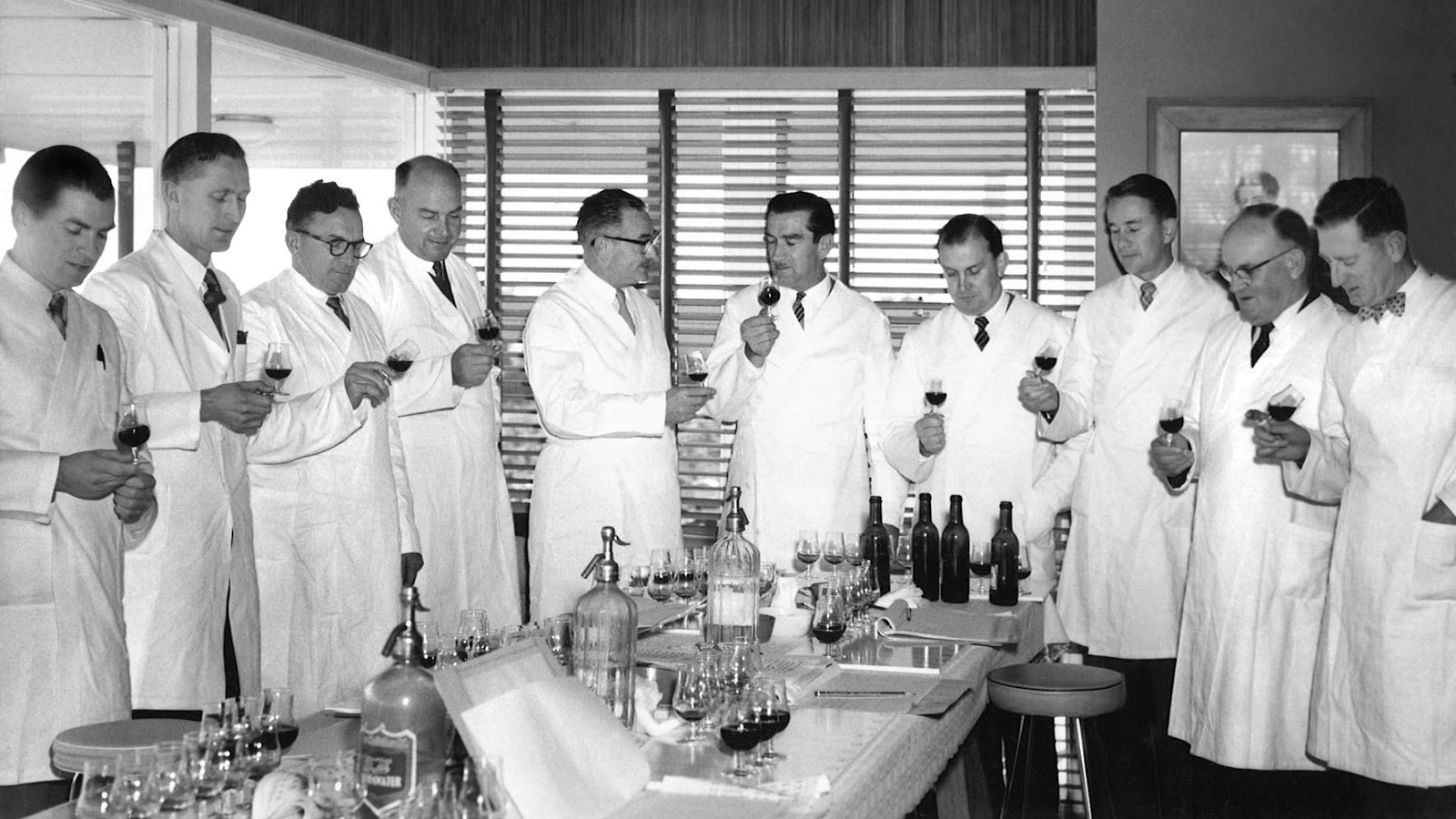
For nearly a century, the Institute’s Department of Interpersonal Thermodynamics operated under a common axiom: that the awkward pause, while universally recognized, could not be meaningfully quantified. It was thought to be one of those phenomena that resisted instrumentation entirely (e.g. regret, or the exact moment a party ends).
This assumption can now be safely put to bed.
Following eleven years of controlled elevator rides, unsolicited compliments, and deliberately mistimed handshakes, the Institute is pleased to announce the successful calibration of the Hesketh (symbol: Hk), a new SI-adjacent unit for measuring the volume, in social terms, of an awkward pause. One Hesketh has been fixed at 4.2 seconds: the average duration, established across 3,406 recorded incidents, between a conversational misfire and the first party’s decision to simply say “anyway.”
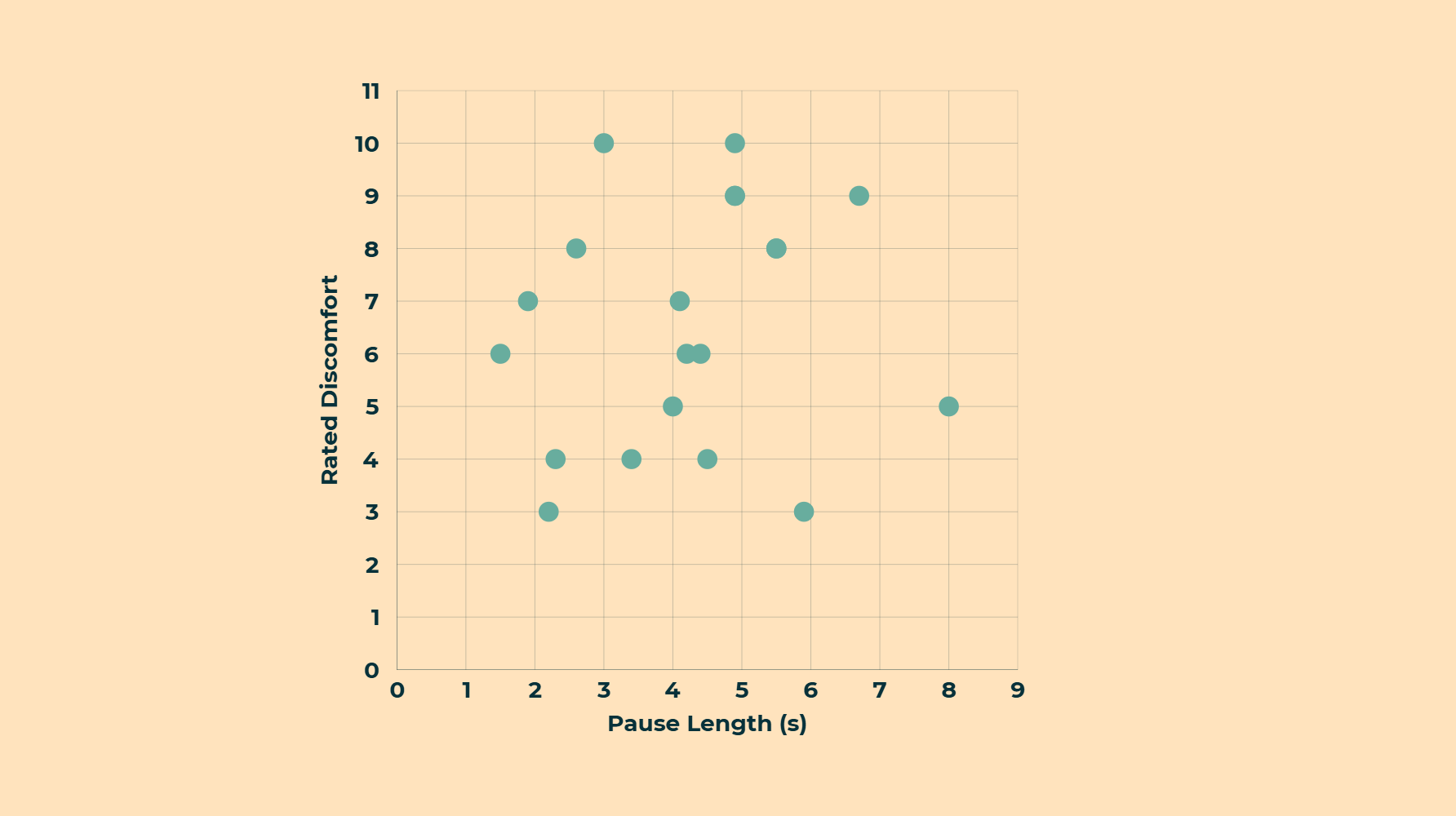
This new unit is the nexus point of parameters existing across several systems of measurement. The Hesketh comprises the following:
- The length of time an awkward pause takes up
- The mental weight taken on by an unpleasant interaction
- The perceived change in temperature caused by an ill-considered utterance’s chilling effect
- The metaphorical volume of first- and second-hand embarrassment
Why “Hesketh”?
The unit is named, somewhat reluctantly, for Institute founder Dr. Prof. Magda Hesketh-Dorleac, who, according to three separate biographers and a disputed fourth, was so constitutionally incapable of small talk that colleagues began timing her silences as a matter of professional courtesy. Her personal record, set at a 1911 board dinner after being asked how her weekend was, stands at an unbeaten 38 Hk (2 minutes, 39.6 seconds), a span during which, witnesses report, “a full course was cleared and another begun.”
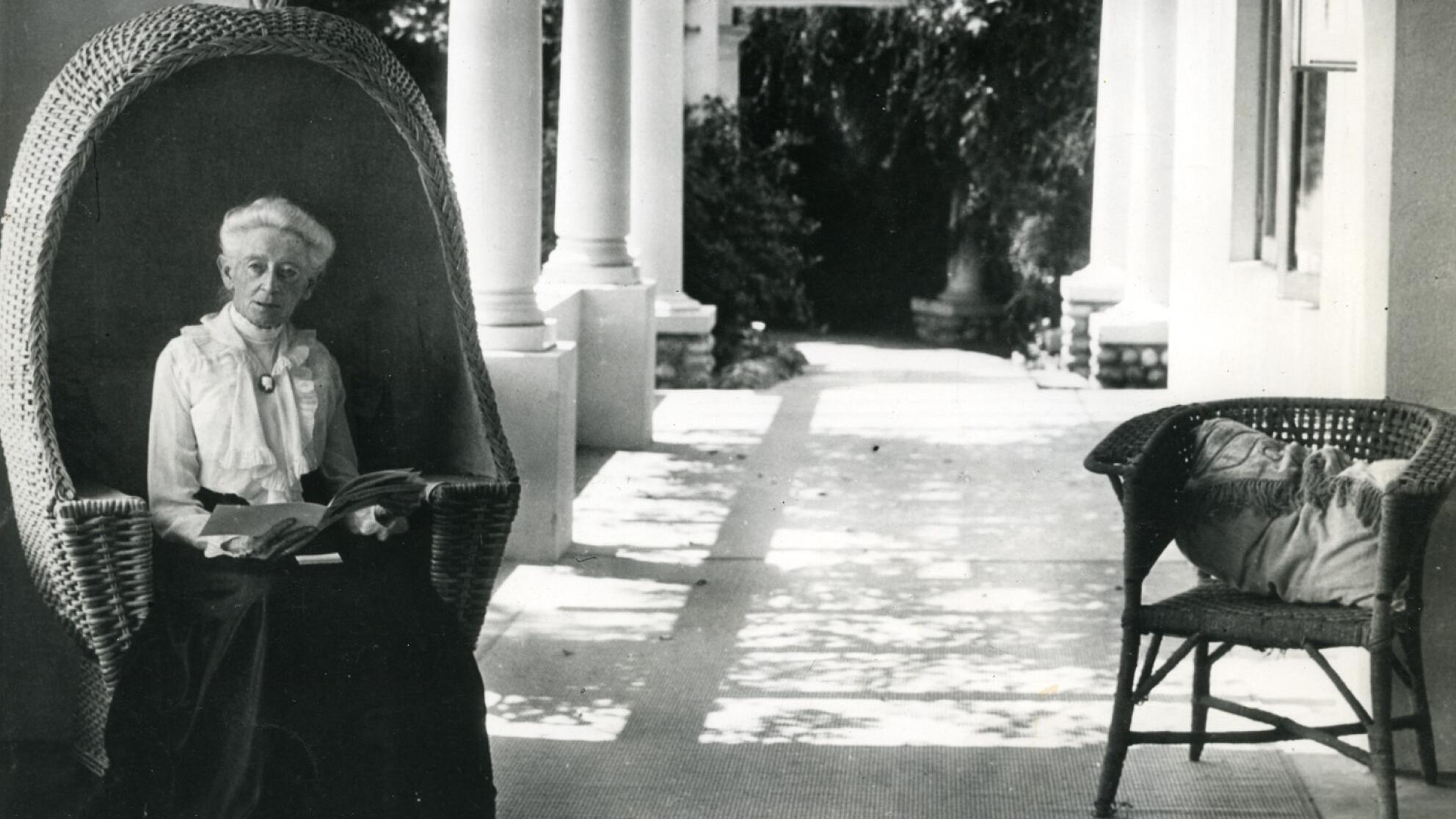
“We debated naming it after someone with better social skills,” said Dr. H. H. Von Voltimand, the Institute’s Staff Psychologist and lead author of the study. “But nobody else generated enough raw data.”
Methodology
The research team, led by the Department of Interpersonal Thermodynamics in partnership with the Department of Involuntary Behavior, recruited pairs of subjects and placed them in twelve controlled social scenarios of escalating discomfort, including:
- Reintroducing oneself to someone one has already met three times
- Complimenting a haircut that has not, in fact, happened
- Holding a door for someone who is very far away
- Answering “no reason” when asked why one is laughing
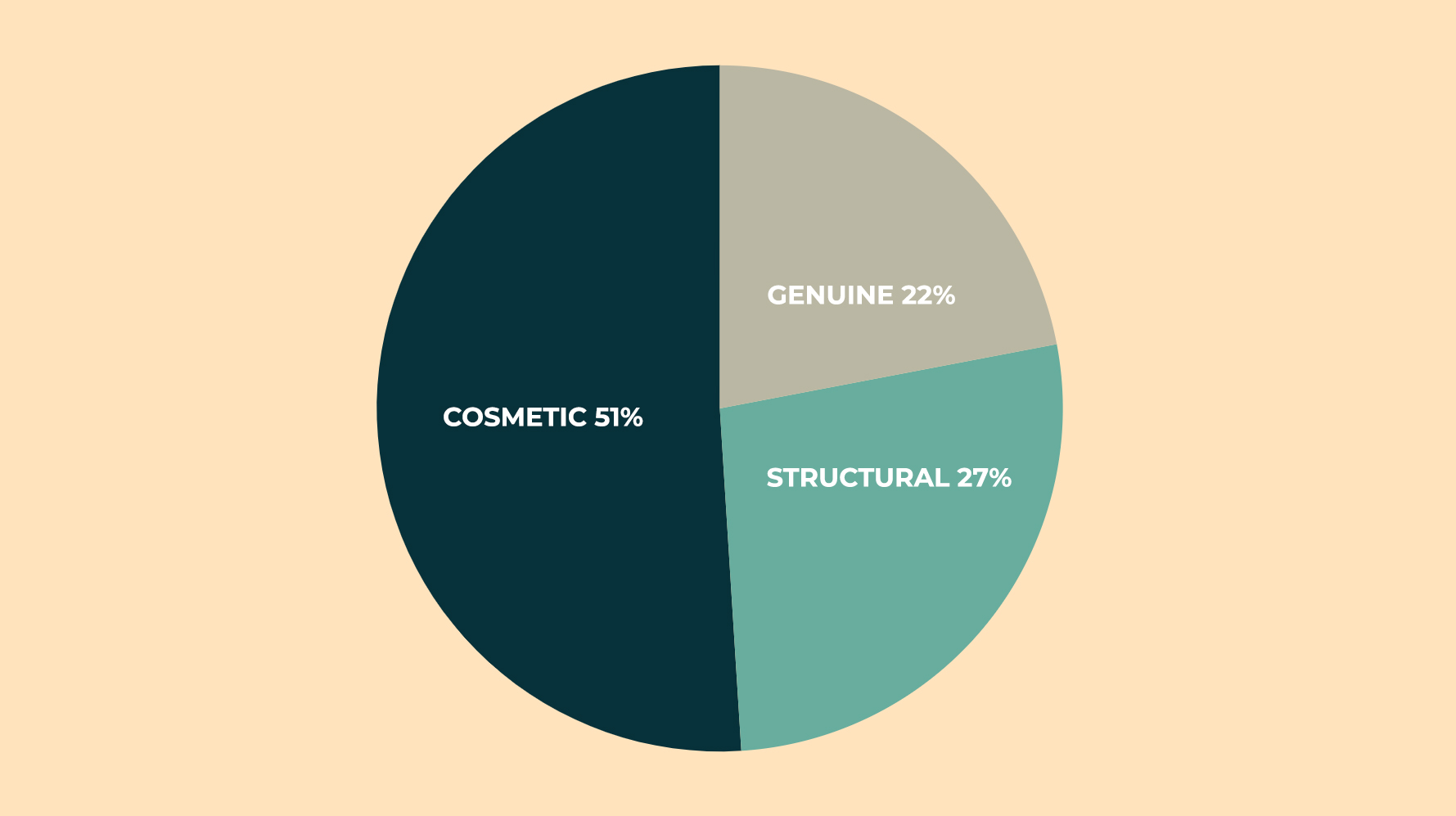
Each pause was timed from the conversational failure to what researchers term the Recovery Event: any action, verbal or physical, that ends the silence. Recovery Events were further subclassified as Genuine (a real change of subject), Cosmetic (the word “anyway”), or Structural (someone’s phone requiring urgent attention).
Subjects were fitted with the Institute’s proprietary Discomfort Wristbands, originally developed for an unrelated 2011 study on the physiological effects of parallel parking, repurposed here to track pulse, perspiration, and what the team informally describes as “the urge to make eye contact with someone else in the room and pretend to be called over by that person.”
Findings
The data revealed several trends that the Institute considers, in Dr. Von Voltimand’s words, “regrettably robust”
Pause length increases with proximity. Heskeths between close friends or family members measured, on average, 26% longer than those between strangers; a phenomenon the team has termed Familiarity Drag. “You’d think familiarity would ease the silence,” said Von Voltimand. “It does not. If anything, it invites the silence on a long weekend of group activities in a new city.”
Elevators are a uniquely potent environment. The mean pause recorded in an elevator setting was 6.8 Hk, nearly 60% above the cross-context average, a figure researchers attribute to what the study calls Enclosure Amplification: the well-documented tendency of silence to expand under architectural compression.
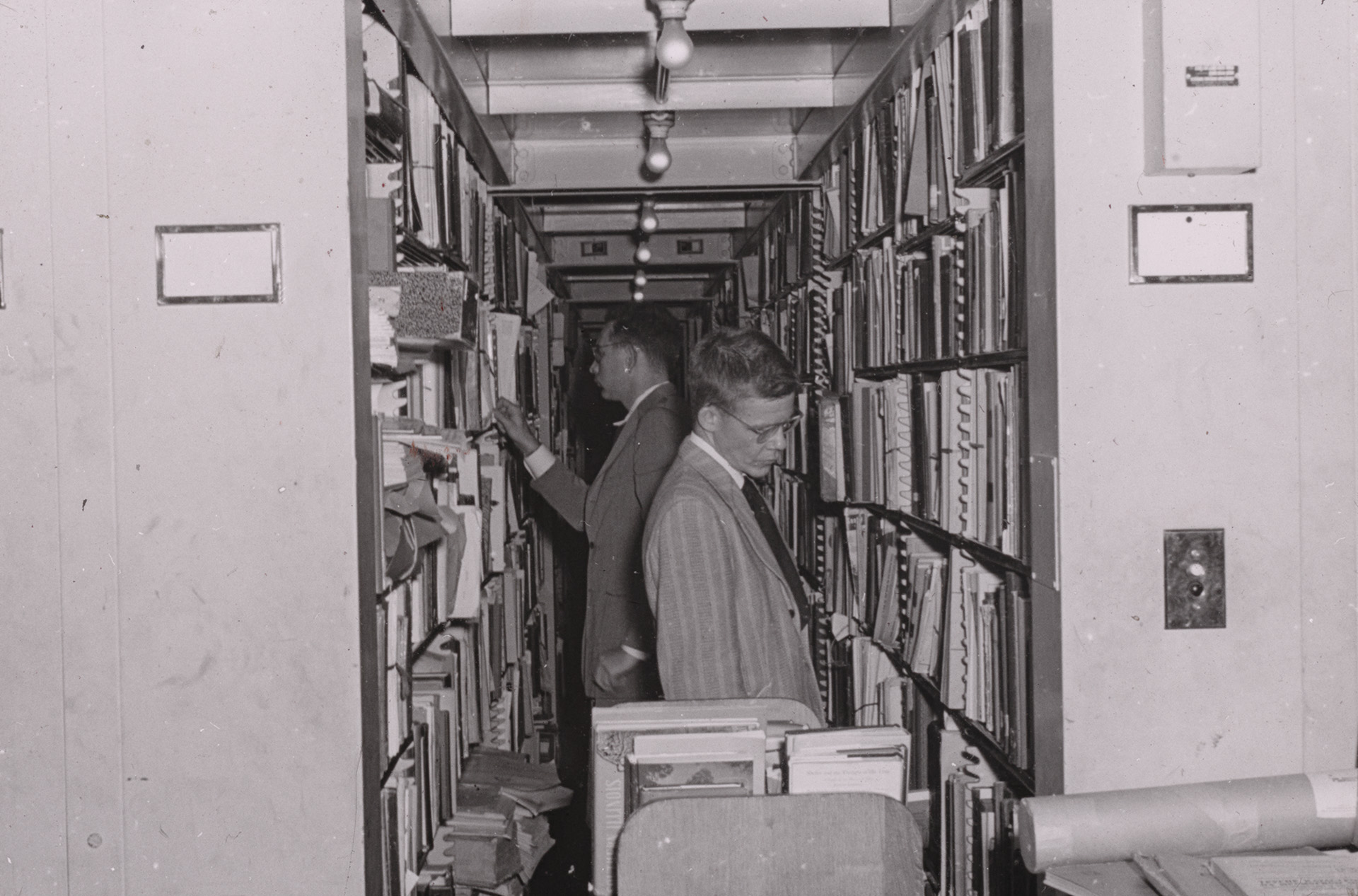
Group pauses do not average out; they compound. Perhaps the study’s most intriguing finding: a Hesketh involving three or more people is not shorter than a two-person Hesketh, as researchers initially hypothesized (on the hypothesis that someone, statistically, should crack first). Instead, group pauses were found to last 15–20% longer, a result the team has dubbed the Bystander Silence Effect, tentatively modeled as each additional participant assuming someone else will speak.
Peer Response
Reaction from outside the Institute has been mixed. Dr. Aaron Beluomine of the Department of Zoological Astrophysics, a frequent critic of the Institute’s methodology, called the Hesketh “a solution in search of a problem, much like most of what comes out of that building.”
Von Voltimand’s response, delivered after a pause of what an intern present described as “at least 2 Hk, maybe more,” was simply: “Anyway.”
Despite the skepticism, the unit has found early adoption within the Institute itself, where staff have begun using it informally in day-to-day correspondence. A recent internal memo regarding a delayed grant proposal noted the resulting silence in the quarterly meeting “ran approximately 9 Hk, structural recovery, additional participant not required.”
What’s Next
The Department of Interpersonal Thermodynamics has already begun work on a related unit, provisionally called the Dorleac (Do), intended to measure the inverse phenomenon: the precise moment a conversation has gone on 4.2 seconds too long.
Marcus Thornwood, Director of Communications for the Institute
Compiled from the Department of Interpersonal Thermodynamics’ 2024 annual report, “Silence: A Field Guide”