
Directors of Scienceonomy
The Institute would be nothing without the steady hands of the world’s finest scienticians at the tiller. From its founding, the biggest minds in their fields guided research and found new ways to explain old phenomena. First led by the Hesketh-Dorleac family, the Institute’s brain trust has among its number brilliant, perceptive, and occasionally unstable scienticians, pictured below with their tenures as director.
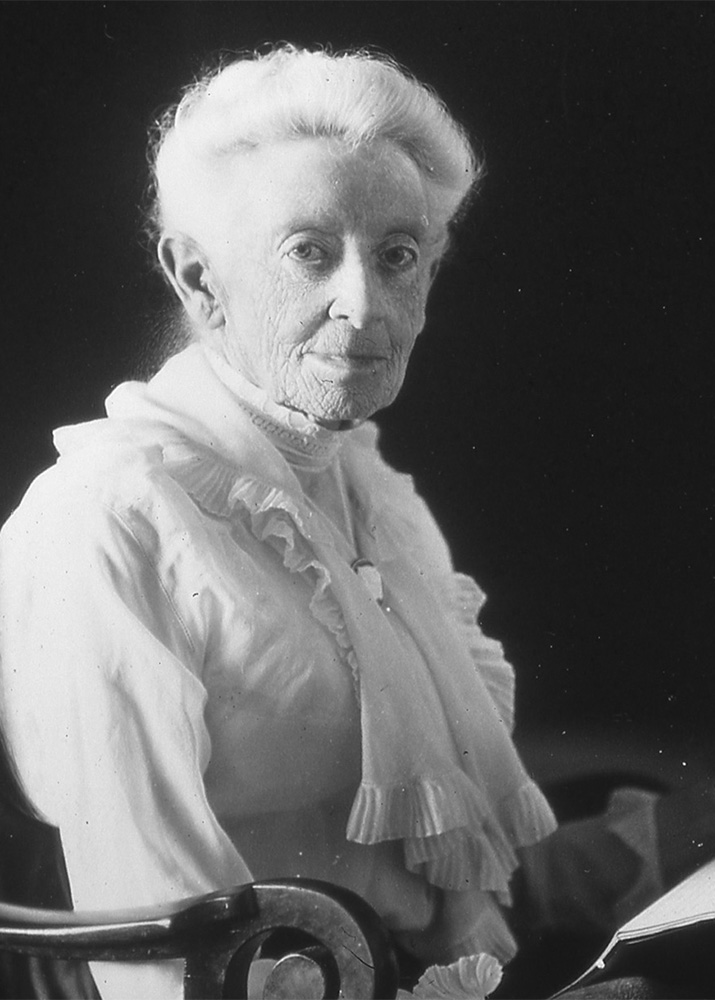
Magda Hesketh-Dorleac
Director: 1901 - 1932
The progenitor of the Institute and many of its foundational discoveries and inventions, including an apparatus for diagnosing golfer’s thrush, a hydroelectric roll-top writing desk, clean-burning rhodium, several synthetic cheeses, and the average color of the universe (beige).
Dr. Prof. Hesketh-Dorleac’s tenure was marked by enormous strides in the advancement of human knowledge, the construction of the Institute’s first campus, and personality typing of the Institute’s staff, which plays a significant role in the hiring process to this day.
Her type was X7.
Étienne Hesketh-Dorleac
Director: 1932 - 1936
It fell to Magda’s grand-nephew Étienne to take on the extraordinary responsibility of guiding the Institute after the former’s untimely death at the age of 94.
A gifted chronometrist, Étienne distinguished himself in guiding the Institute through several theoretical breakthroughs, including the proposition that time is a non-Newtonian fluid that “gums up the works” such that not too much happens at once.
Type K13.
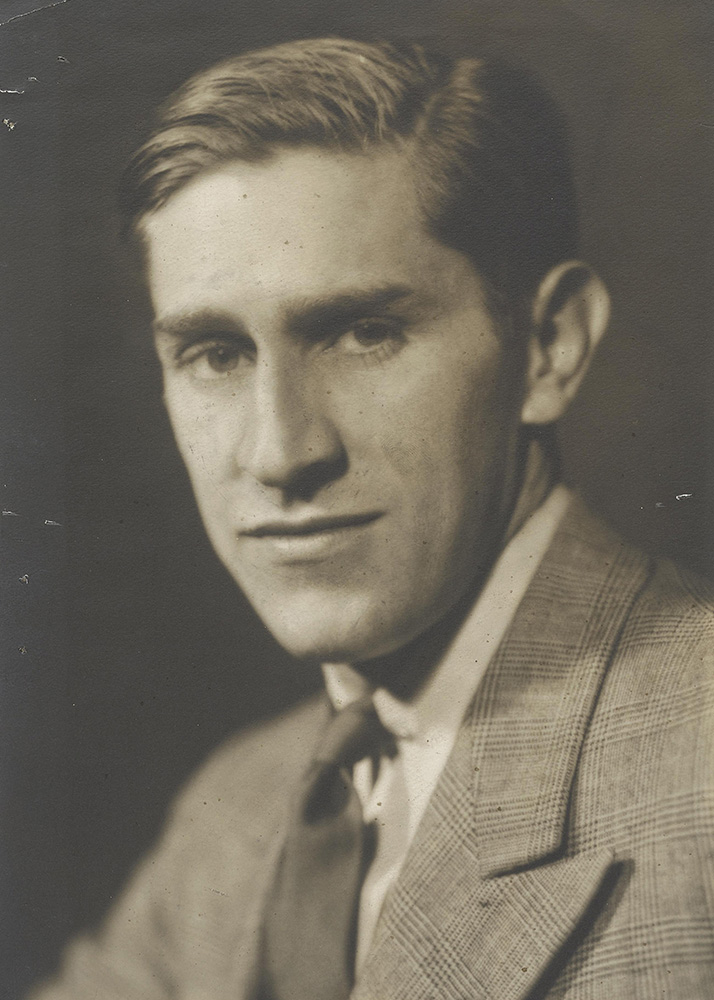
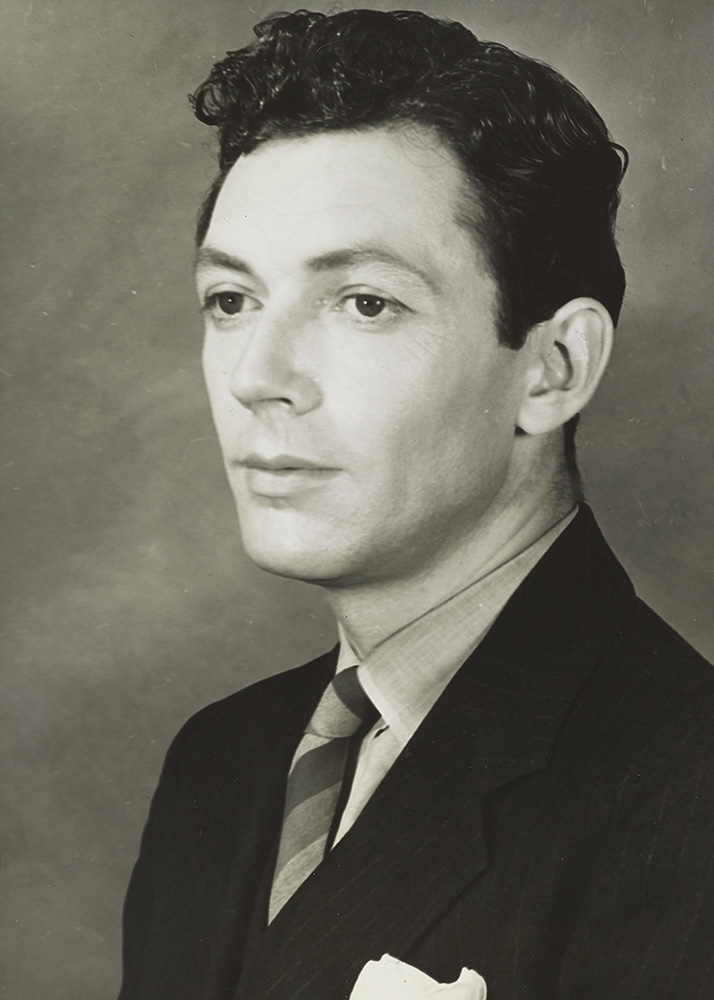
Robard Hesketh-Dorleac-Charbonnier
Director: 1936
Robard was a gadabout and flâneur with little scientific rigor or seriousness in his work. His brief tenure was marked by chronic absences, missing lab equipment, and scandal. It took decades for the Institute’s public image to recover from the seven months he was in the big chair.
Type 2.
Orianne Hesketh-Dorleac
Director: 1936 - 1942
Orianne, “The Estimable,” brought the Institute back from the brink. Her background in mathemology helped secure the Institute’s future against the Great Depression and other economic woes by devising a method of temporal accounting that borrowed money from the Institute in both the past and future, simultaneously and continuously.
With a theoretically unlimited budget at her disposal, Orianne doubled the research headcount and quadrupled scientific output, fostering an era of the Institue’s best stationery.
Type P1.4.
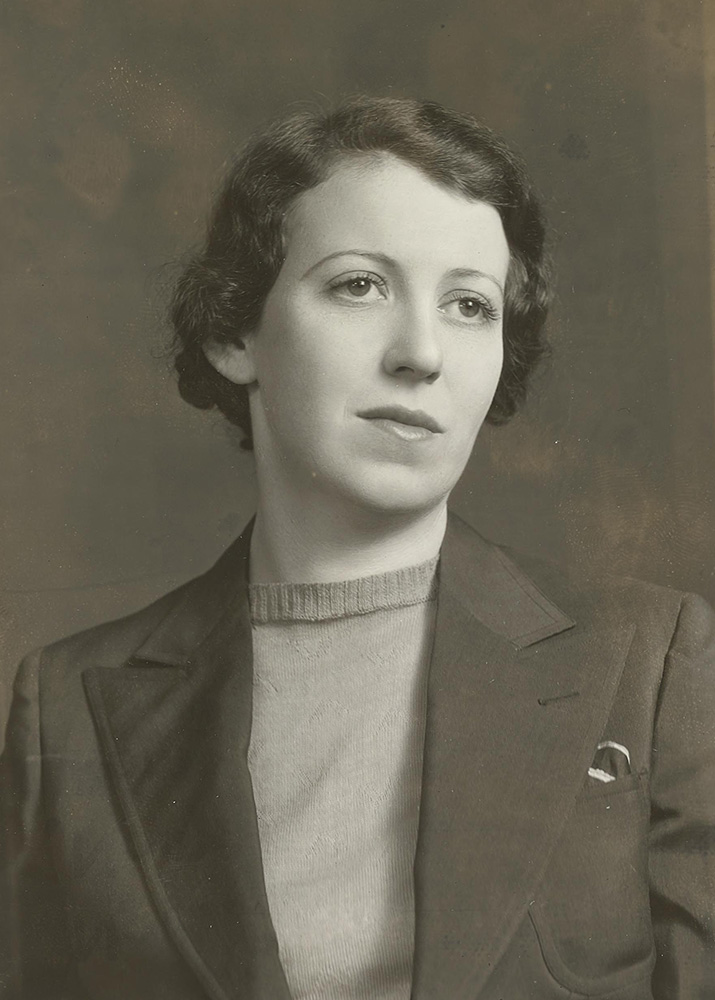
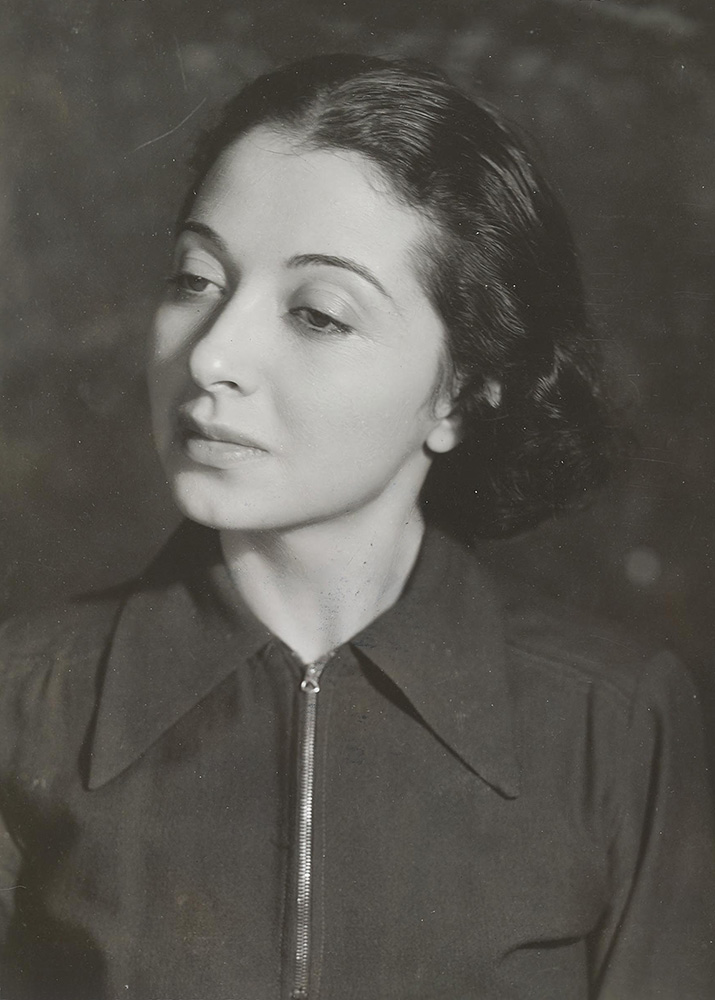
Ederne Hesketh-Dorleac Zambudio
Director: 1942 - 1952
Known as “The Fighting Director,” Ederne spent nearly half of her administration in the European Theatre, advising Generals Eisenhower and de Gaulle on proper scientific methodologies. Historians credit Ederne with shortening the war by several minutes.
Stateside, the Institute was departing the atomic age just as the rest of the world’s research facilities were getting their foot in the door. In Ederne’s words, atomic theory was “child’s play, Tinker Toys, Lincoln Logs.” It remains to be seen which enrichment activity it most closely resembles.
Type J19.
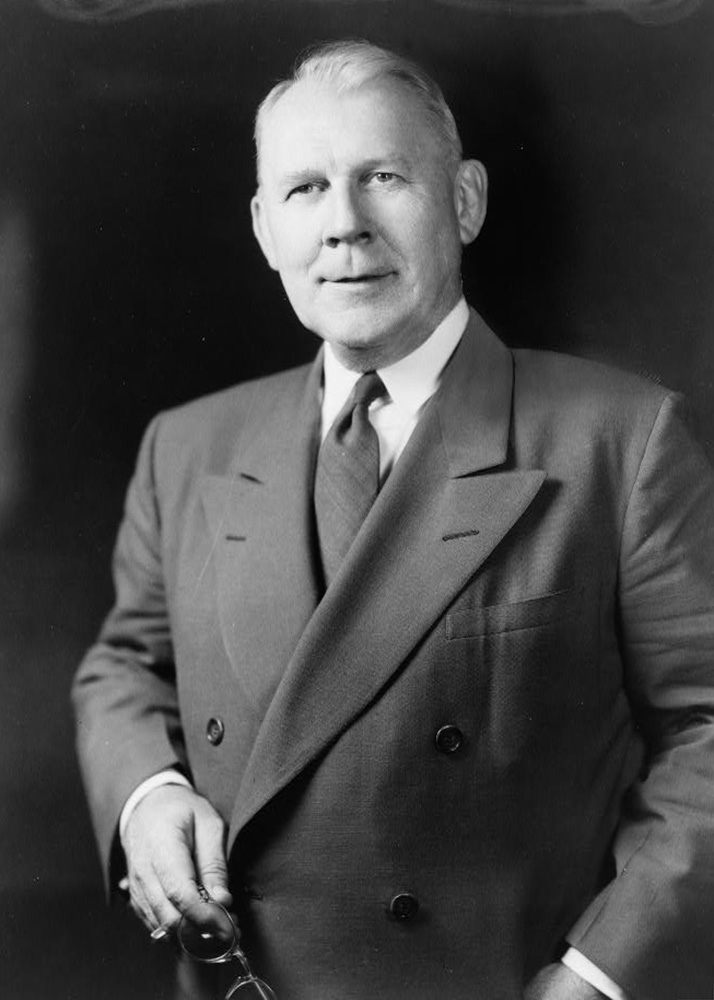
Pietrjan Hesketh-Dorleac
Director: 1952 - 1970
Due to a head injury sustained from a faulty fume hood, Pietrjan only spoke in riddles. This significantly slowed research progress as his direct reports spent days attempting to solve even cursory memos.
His directorship, lasting eighteen years, was one of the Institute’s longest, primarily because no one could work out his clues to the location of the documentation for line of succession.
Type LR.
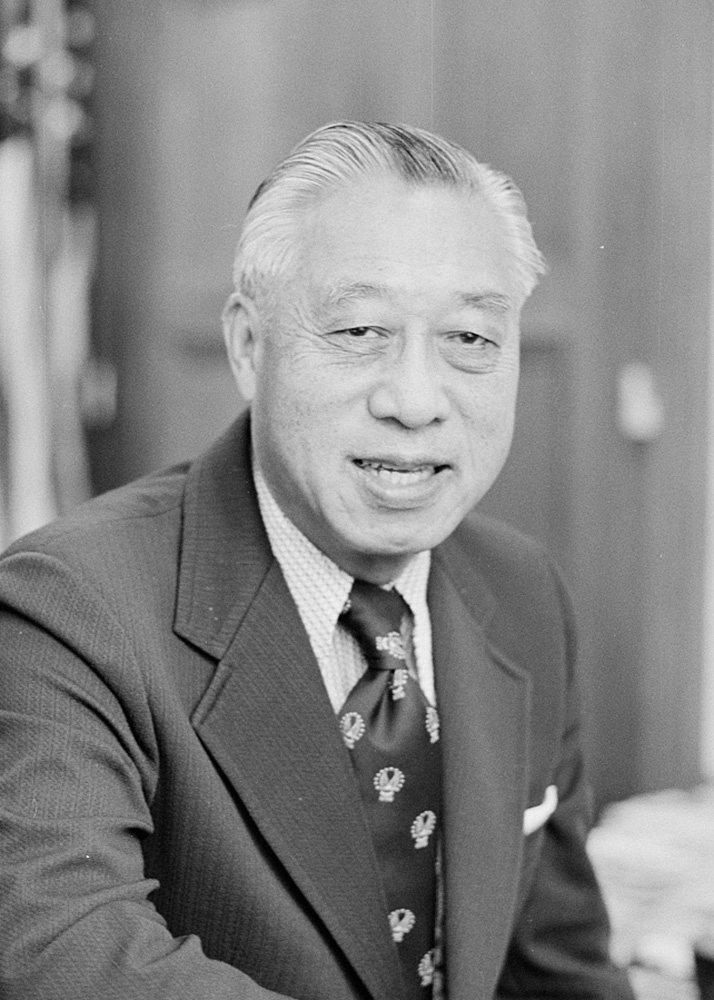
Nakano Azumamaro
Director: 1970 - 1979
Azumamaro distinguished himself as one of the finest biometricists, aerospatial engineers, alchemists, and ballroom dancers to hold the position.
Many consider his administration to be a return to form for the Institute. Discoveries such as quantum dissociation, the smell-telescope, explosive gold, ultradeep holes in France, and the mysterious double-VCR ushered in a new era of scientific excellence.
Type B5.
Benedetto Gilk
Director: 1979 - 1980
Longtime scienticians are sharply divided over Gilk’s directorship. They’re usually divided bilaterally, but some are divided horizontally. Either way, the division is bitter and extremely painful.
Gilk insisted on personally operating a haberdashery selling Institute-branded menswear and sundries. Many saw this as a distraction from the fact that his educational bona fides could never be confirmed. He disappeared under topological circumstances.
Type 27.
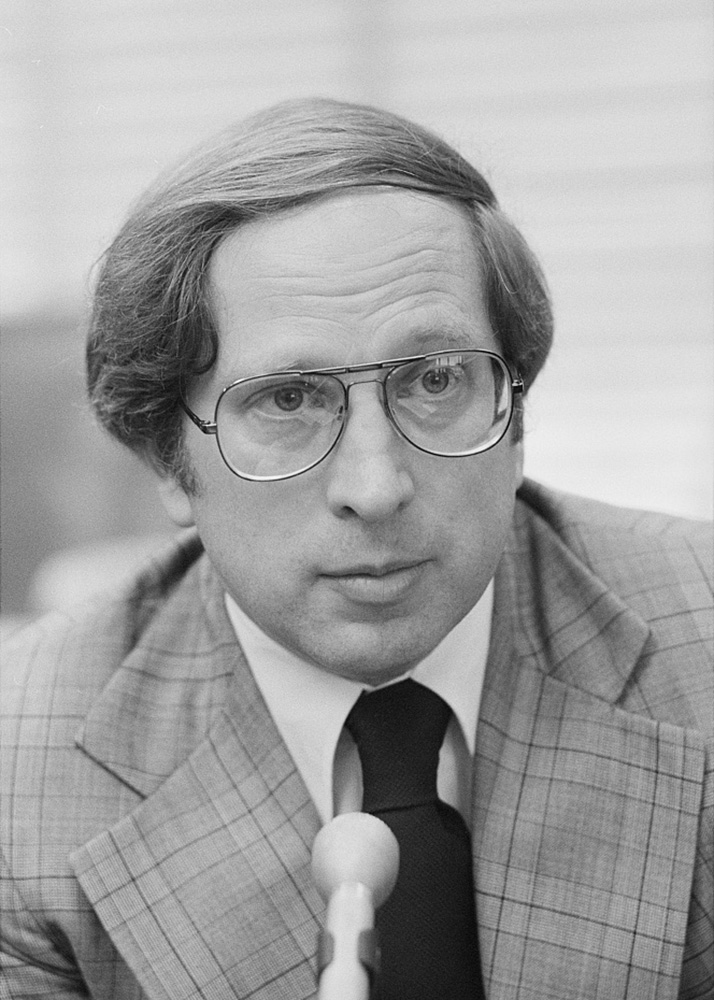
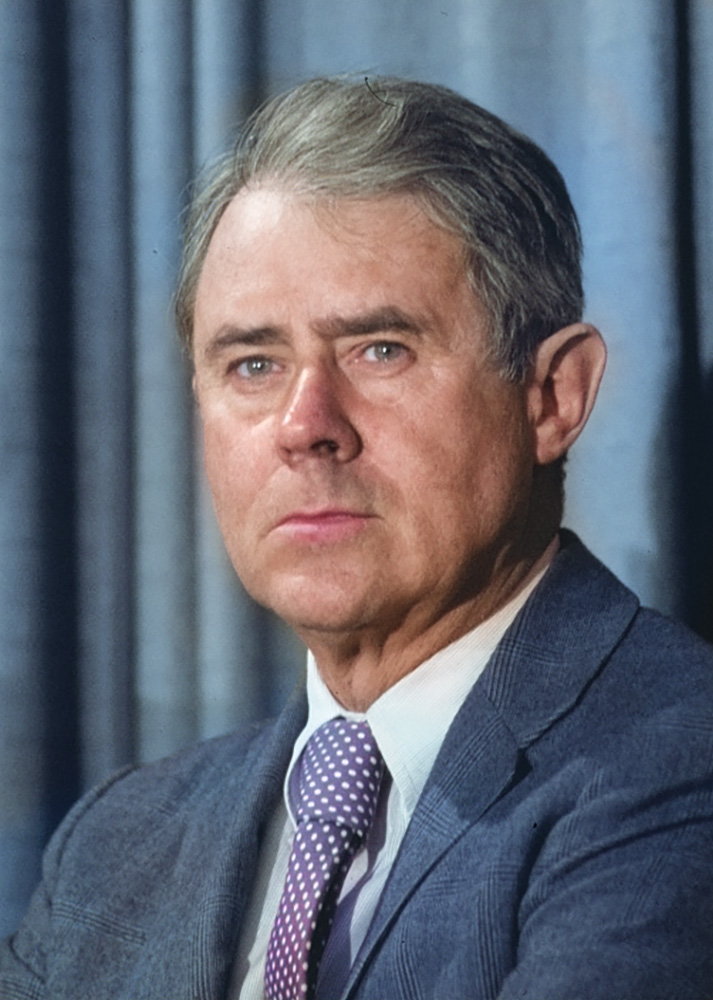
Winkesley Banks
Director: 1980 (acting)
Banks’s term as Acting Director was brief and unremarkable. Many scienticians didn’t even catch his name.
Type unknown.
JH Kneebone
Director: 1980 - 1985
Kneebone took an active approach to science. Colleagues spoke often of his willingness to get his hands dirty in the lab, which caused significant contamination issues. Nevertheless, his contributions to the Institute’s corpus are significant and rivaled in output only by Dr. Prof. Hesketh-Dorleac herself.
The early ’80s saw the Institute bring to the world an Even More Compact Disc, a theory of cosmic stagflation, and a number of rectangular silver sensors attached to low-orbit satellites, the purpose of which continues to be unclear to Institute scienticians and NASA engineers. They beep anyway.
Type M33.
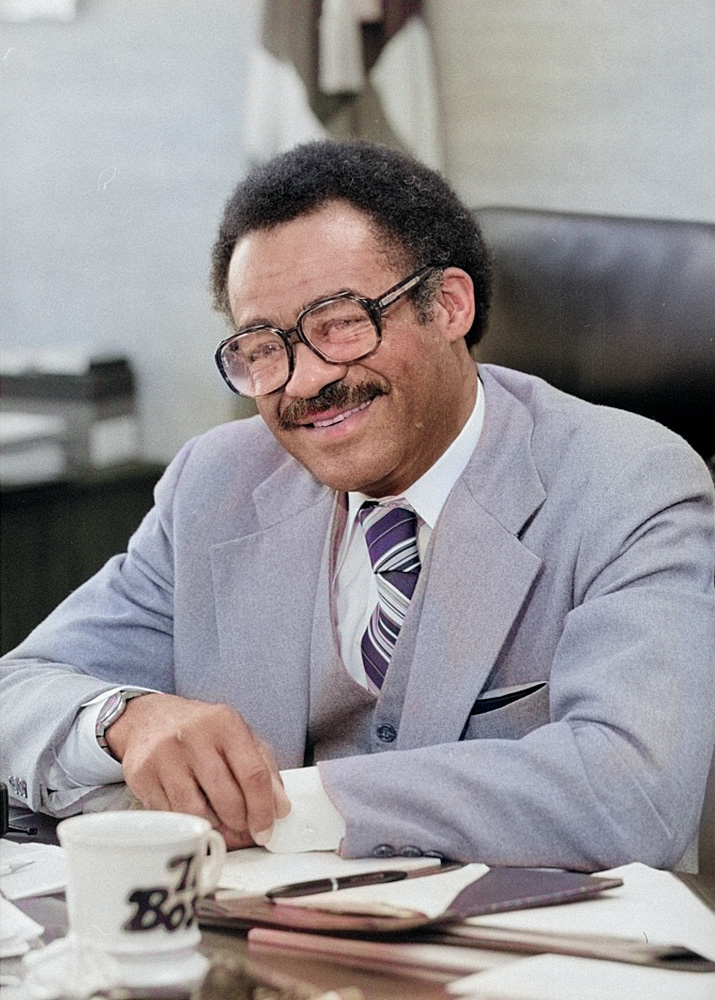
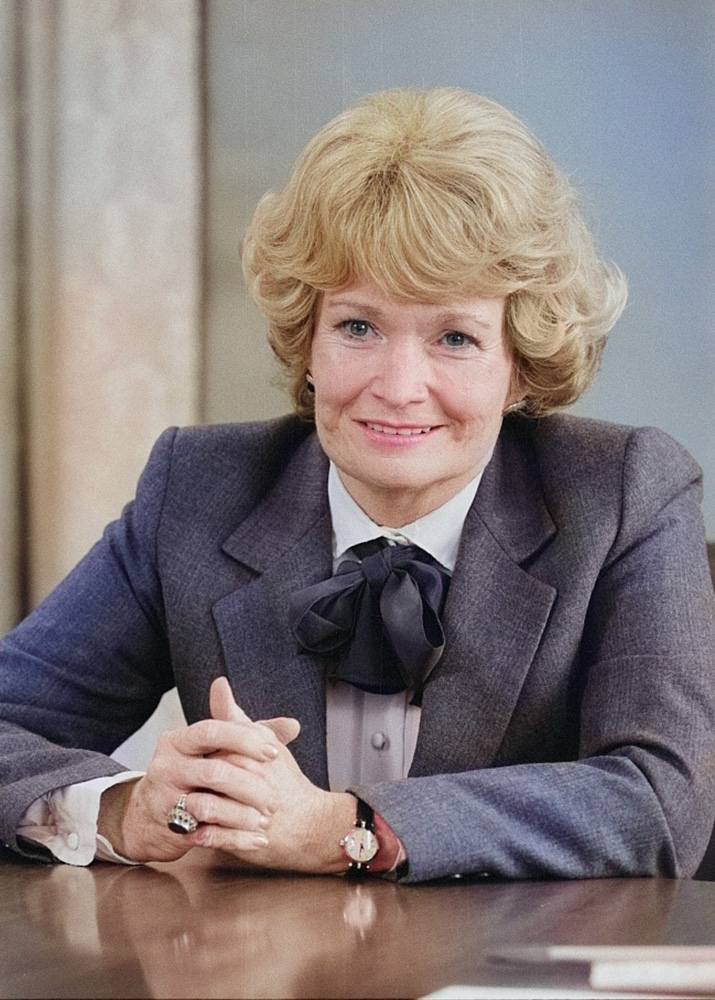
Cordelle de Flotte
Director: 1985 - 1986
de Flotte founded the Department of Astrophysical Fitness, making the Institute one of the world’s first employers to offer a sweaty workout in the middle of the day. As a scientician, she predicted, and then proved, the location of Weird Earth.
Eventually, de Flotte was discovered to be a Soviet spy. This was not held against her during her annual review.
Type S2.
Antoine Bartizan & Tom Darkness
Director: 1986 - 1990 (contested)
Due to a rounding error in the selection process, the position of Director became a superposition. Thus, Bartizan and Darkness both claimed the top spot, beginning what’s known as the Duumvirate Crisis.
The controversial and simultaneous tenure of both scienticians was typified by interdepartmental feuding, personal attacks in scientific journals, misappropriation of Institute funds, and impractical jokes.
Nevertheless, the Institute has weathered worse leadership, and research into sub-molecular implosive/explosive devices continued unabated. Bartizan and Darkness sadly perished in a duel, each with other opponents.
Type C9 (both).
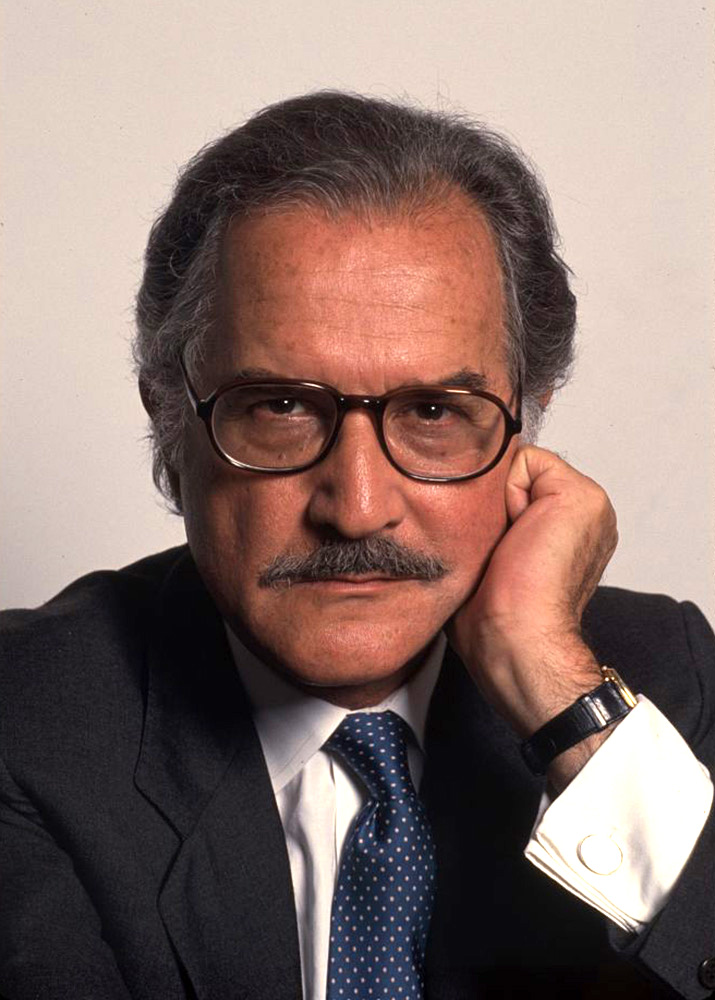
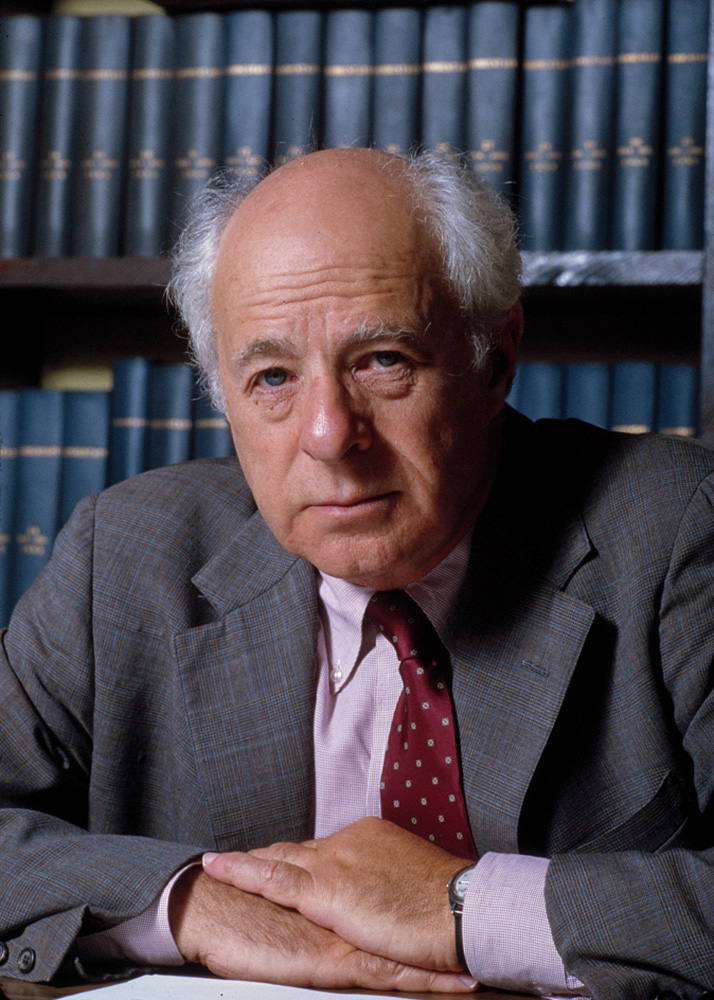
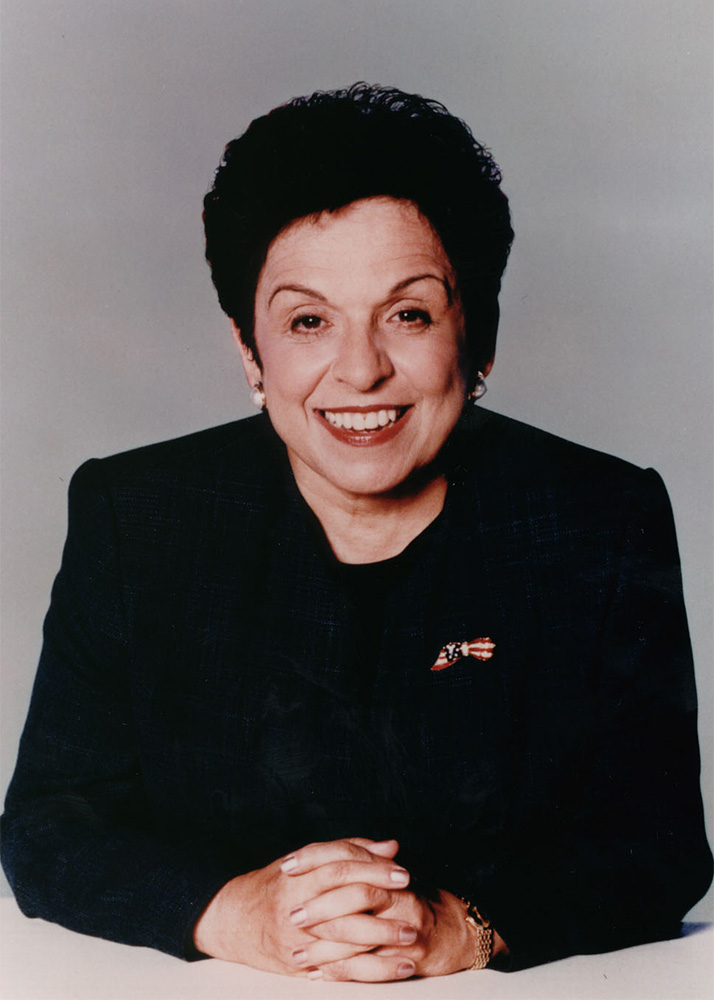
Yolanda Desmirnoff
Director: 1990 - 1993
Desmirnoff’s legacy is overshadowed by skillful but time-consuming public relations cleanup following the Duumvirate Crisis. But she is nevertheless known for her advancements in the field of Folded Chemistry.
Desmirnoff owned several show dogs and brought them with her to the office. Today, wild Labradors roam the grounds, greeting guests and burying test tubes.
Type H3.
Mavis Beavers
Director: 1993 - 1999
One of the few self-taught scienticians in Institute leadership, Beavers is also one of its most respected Directors. At a young age, she discovered a new method of turning lead into watch batteries (only of a certain size, but still), edible rocket fuel, and synthetic light.
She began a regular open-mic night at the Institute, which led to the foundation of the organization’s poetry quarterly, which has won nearly as many prizes for art as it has for academics.
Type K70.
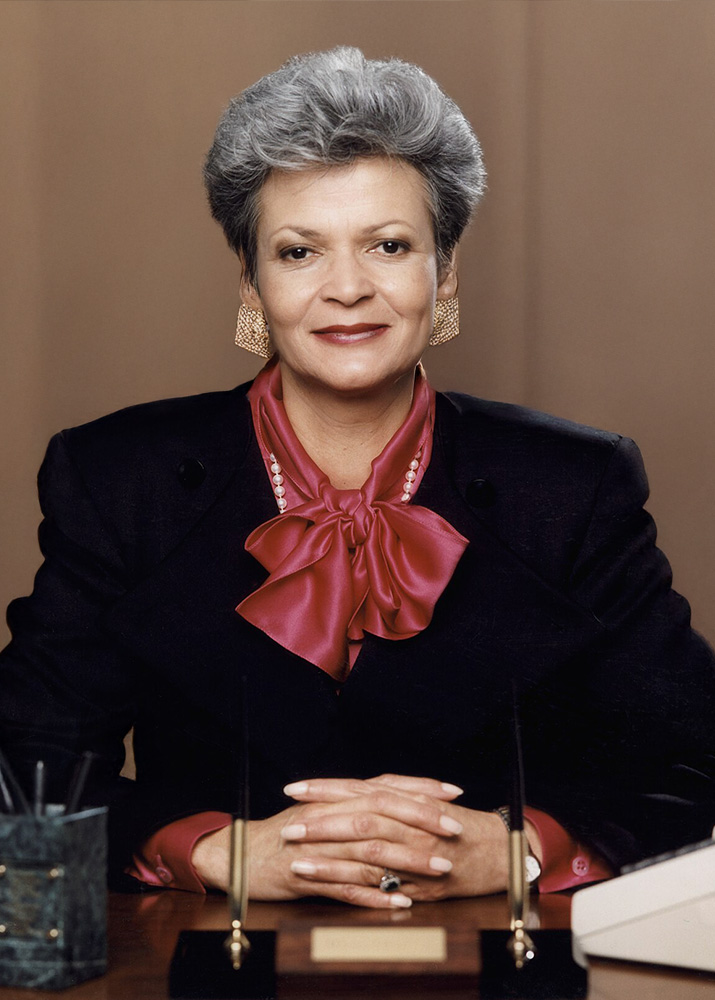
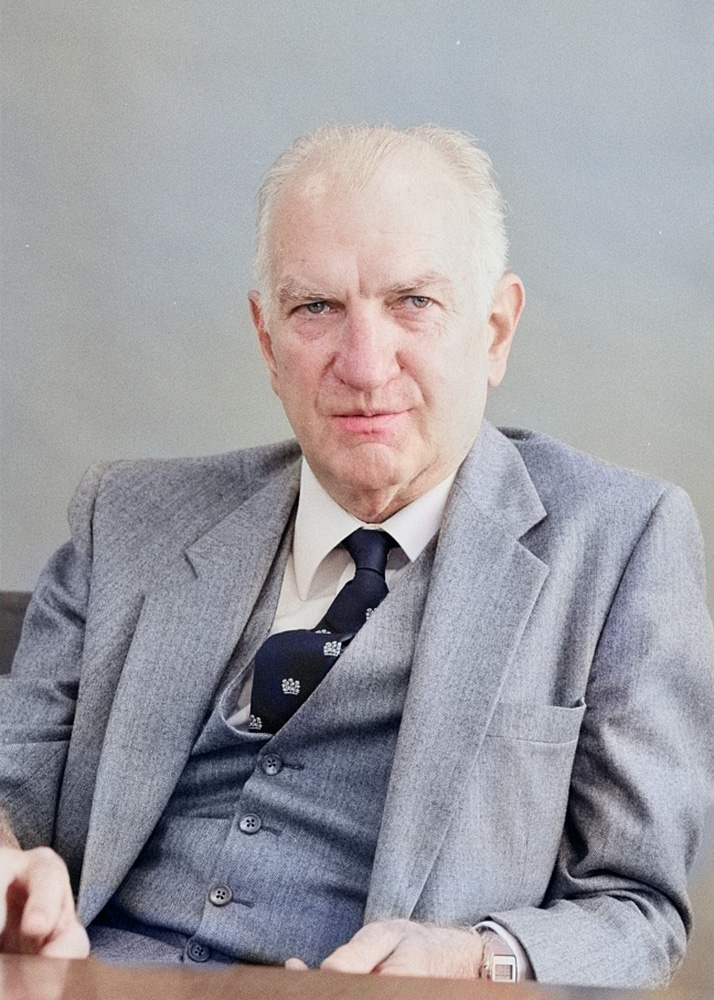
Hammacher Hesketh-Dorleac
Director: 1999 - 2006
The Institute comes full-circle. Magda’s great-great-great-grandson took over leadership as the Institute entered its second century of discovery.
Hammacher joined the Institute from the military-industrial complex, bringing a martial rigor to the work. Scienticians are awoken each morning by bugle and must submit to a lab station inspection before work can begin. White papers must abide by some of the most stringent formatting requirements in the industry. He is currently Director Emeritus and also enjoys land golf.
Type 3WH.
Dick E. Schoof
Director: 2006 - 2011
Schoof holds a record-breaking number of patents, for everything from the quantum toaster to a device that produces dread when held. His collection of gadgets and gizmos is available for lending at the Institute’s library.
Not much is known about Schoof’s personal life, but he brought up time travel in all-hands meetings more frequently than the standard deviation. He was also known for odd phraseology like “Gadzooks!” and “Heavens to Murgatroyd!” Investigations into his past have turned up little useful information.
Type 903.
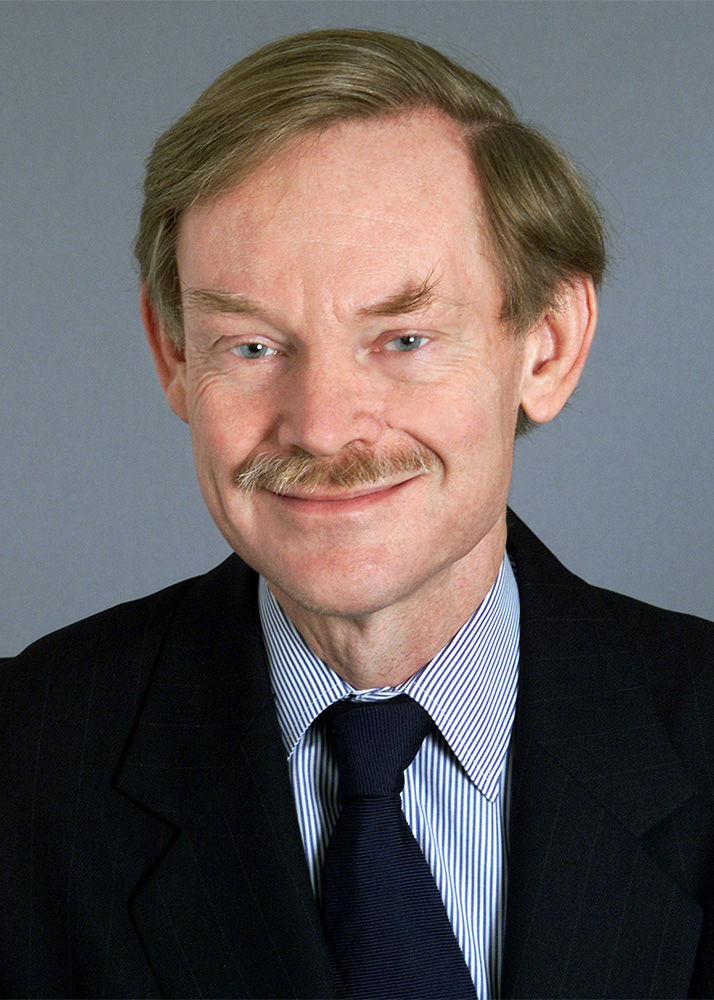
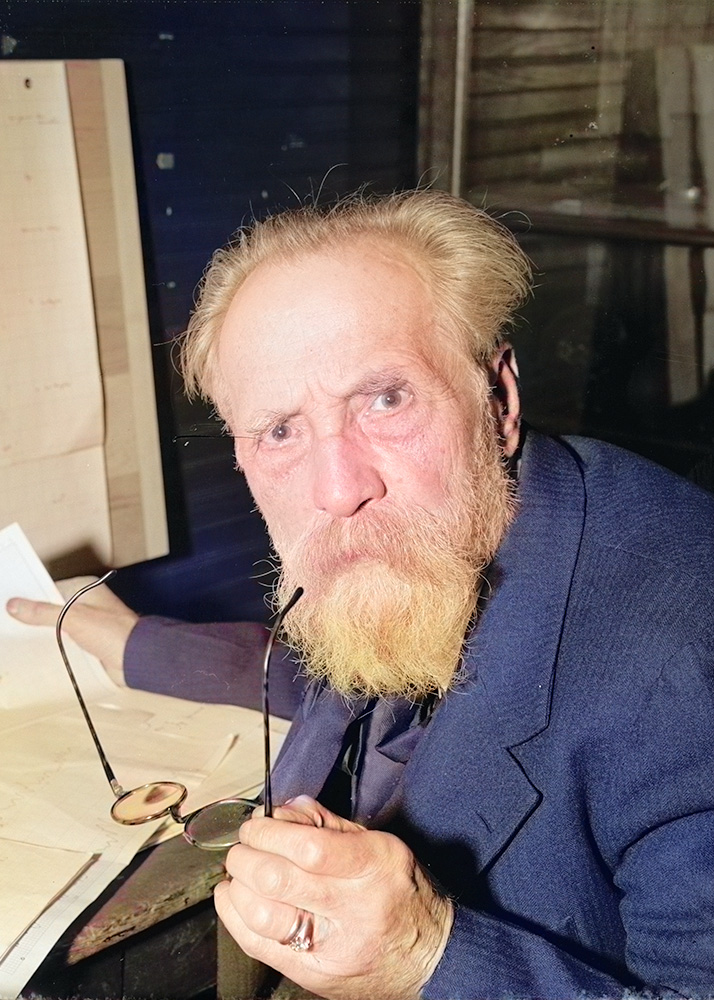
Aldous Thistleton Lambshanks
Director: 2011 - Present
Distinguished as the only scientician who was held by Magda Hesketh-Dorleac as a baby, Lambshanks is our current Director and steadily guides us along the cosmic currents of knowledge.
His areas of expertise include full-contact logic, applied meteorology, metaphors, and drought-resistant algebra.
Type X8.